
Why Bulgaria’s National Nature Restoration Plan Matters for the Black Sea Region
- 3 days ago
- 1 min read
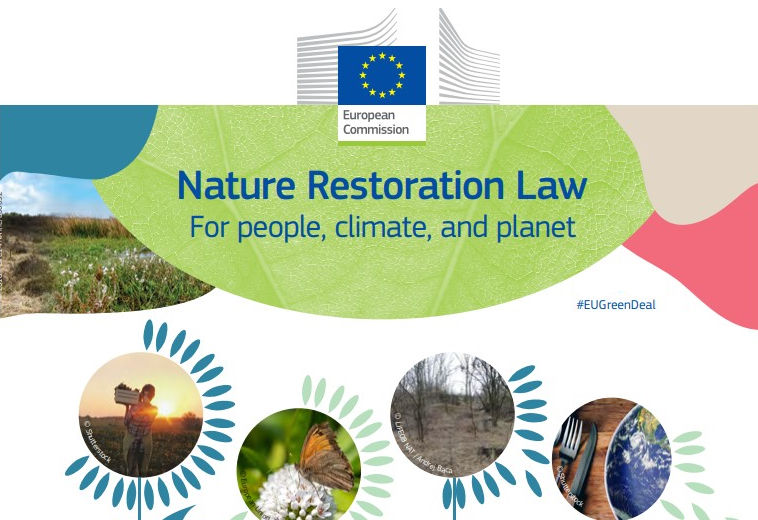
Bulgaria is entering an important phase in the implementation of the European Union’s Nature Restoration Regulation. As part of this process, Member States are required to prepare National Nature Restoration Plans that outline how degraded ecosystems will be restored and protected over the coming decades.
For Bulgaria, this creates an opportunity to address some of the country’s most valuable natural areas, including coastal wetlands, freshwater ecosystems, and biodiversity hotspots along the Black Sea coast. Areas such as the Burgas Lakes and the Via Pontica migratory route play a vital role in supporting bird populations, maintaining ecosystem services, and strengthening resilience to climate change.
Healthy ecosystems provide benefits that extend far beyond biodiversity conservation. Wetlands help reduce flood risks, improve water quality, store carbon, and support local livelihoods. Restoring degraded habitats can strengthen both environmental and economic resilience while contributing to national and European climate objectives.
The preparation of Bulgaria’s National Nature Restoration Plan offers an opportunity for scientists, environmental organizations, local communities, businesses, and public institutions to contribute knowledge and expertise to the process. Effective restoration measures require cooperation across sectors and long term commitment to protecting natural resources.
The Protection of Biodiversity in Bulgaria Foundation (OBB) supports efforts aimed at restoring ecosystems, protecting biodiversity, and promoting sustainable management of natural resources throughout the Black Sea region. Successful implementation of restoration measures will be essential for safeguarding Bulgaria’s natural heritage for future generations.
Learn more:
Comments